Get our latest book recommendations, author news, and competitions right to your inbox.
Published by Prometheus
Distributed by Simon & Schuster
Table of Contents
About The Book
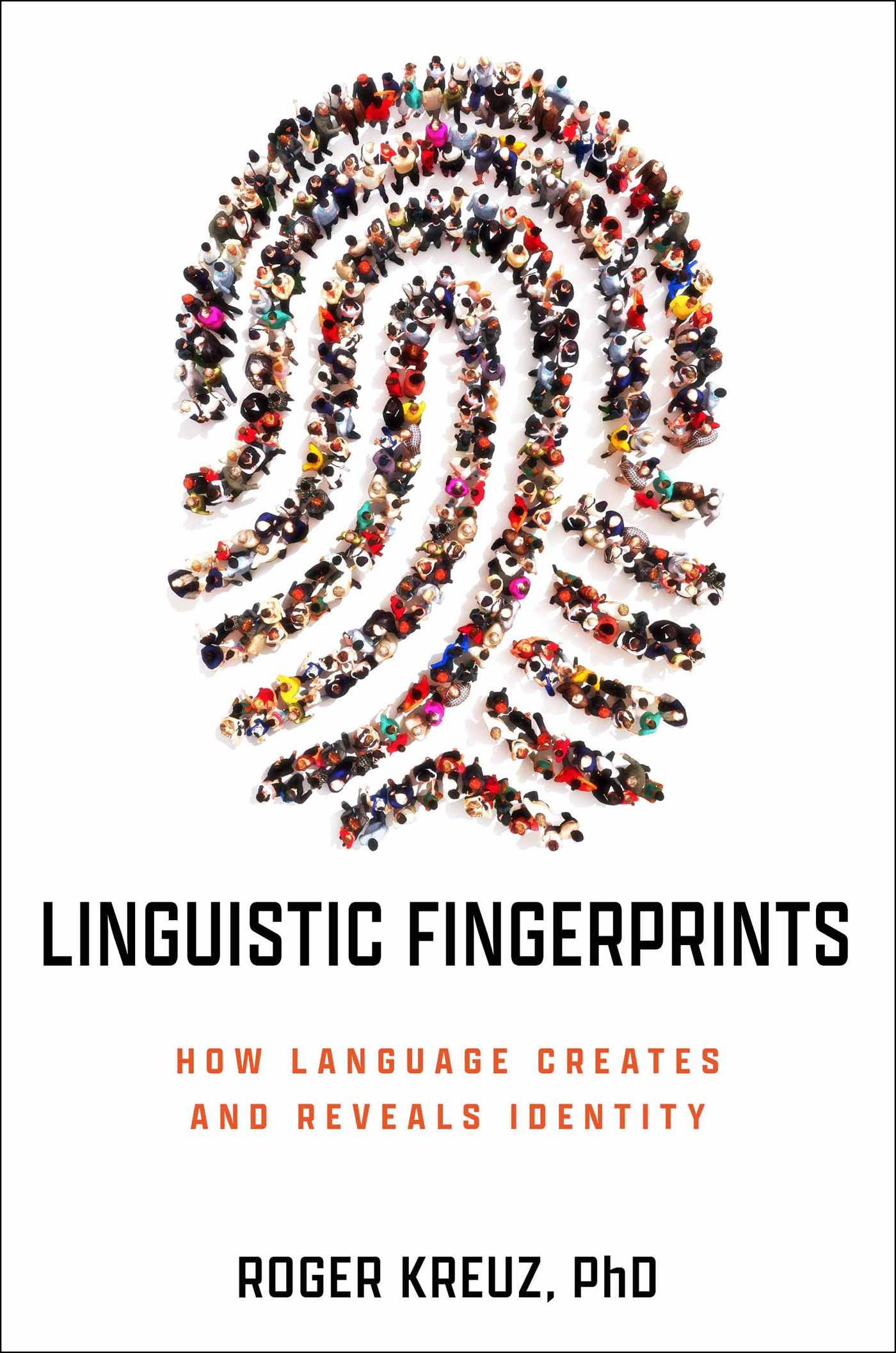
How much of ourselves do we disclose when we speak or write? A person’s accent may reveal, for example, whether they hail from Australia, or Ireland, or Mississippi. But it’s not just where we were born—we divulge all sorts of information about ourselves and our identity through language. Level of education, gender, age, and even aspects of our personality can all be reliably determined by our vocabulary and grammar. To those who know what to look for, we give ourselves away every time we open our mouths or tap on a keyboard.
But how unique is a person’s linguistic identity? Can language be used to identify a specific person? To identify—or to exonerate—a murder suspect? To determine who authored a particular book? The answer to all these questions is yes. Forensic and computational linguists have developed methods that allow linguistic fingerprinting to be used in law enforcement. Similar techniques are used by literary scholars to identify the authors of anonymous or contested works of literature. Many people have heard that linguistic analysis helped to catch the Unabomber, or to unmask an anonymous editorialist—but how is it done? LINGUSISTIC FINGERPRINTS will explain how these methods were developed and how they are used to solve forensic and literary mysteries. But these techniques aren’t perfect, and the book will also include some cautionary tales about mistaken linguistic identity.
But how unique is a person’s linguistic identity? Can language be used to identify a specific person? To identify—or to exonerate—a murder suspect? To determine who authored a particular book? The answer to all these questions is yes. Forensic and computational linguists have developed methods that allow linguistic fingerprinting to be used in law enforcement. Similar techniques are used by literary scholars to identify the authors of anonymous or contested works of literature. Many people have heard that linguistic analysis helped to catch the Unabomber, or to unmask an anonymous editorialist—but how is it done? LINGUSISTIC FINGERPRINTS will explain how these methods were developed and how they are used to solve forensic and literary mysteries. But these techniques aren’t perfect, and the book will also include some cautionary tales about mistaken linguistic identity.
Product Details
- Publisher: Prometheus (August 1, 2023)
- Length: 256 pages
- ISBN13: 9781633888982
Resources and Downloads
High Resolution Images
-
Book Cover Image (jpg): Linguistic Fingerprints
eBook 9781633888982