
Get our latest book recommendations, author news, and competitions right to your inbox.
Published by Bear & Company
Distributed by Simon & Schuster
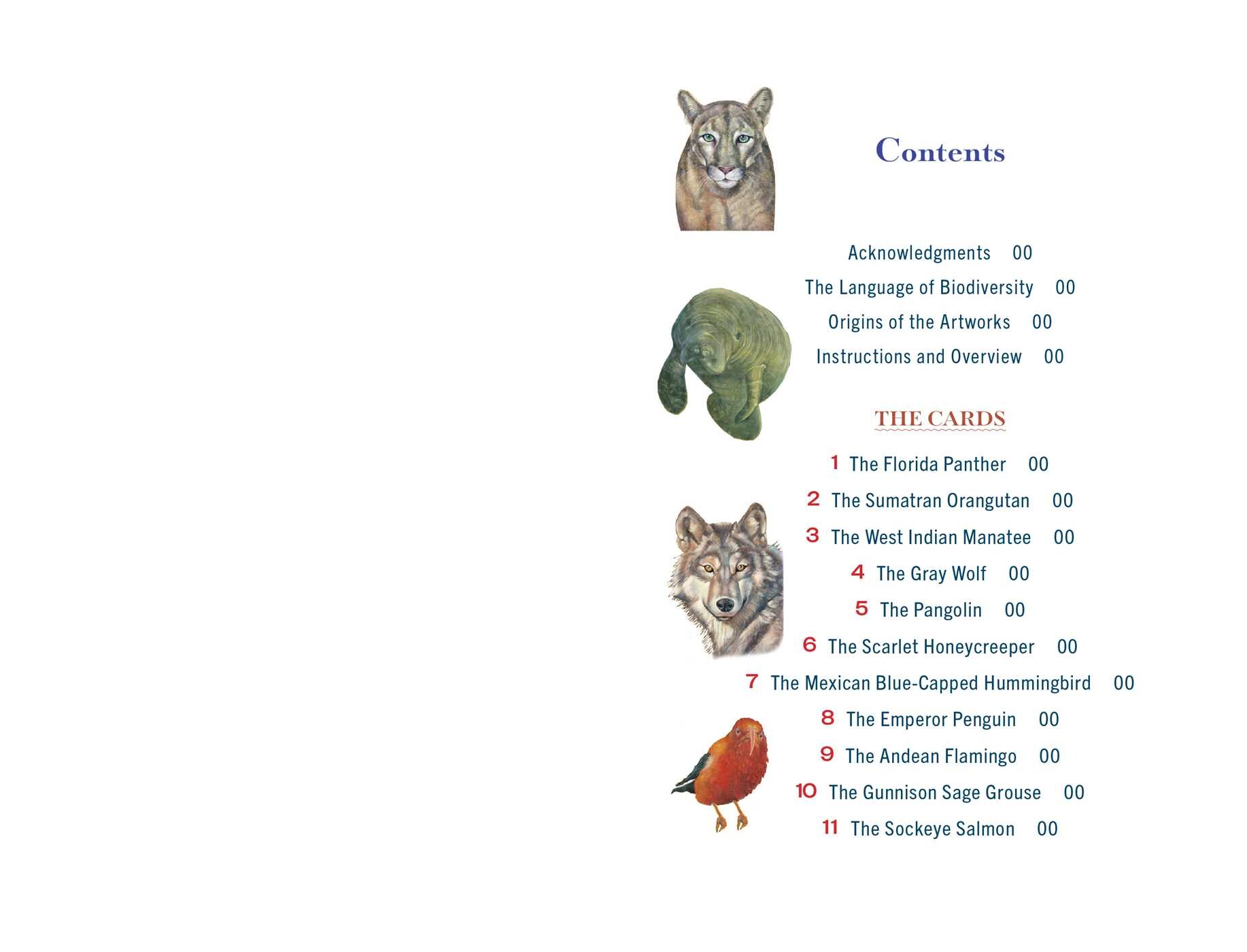
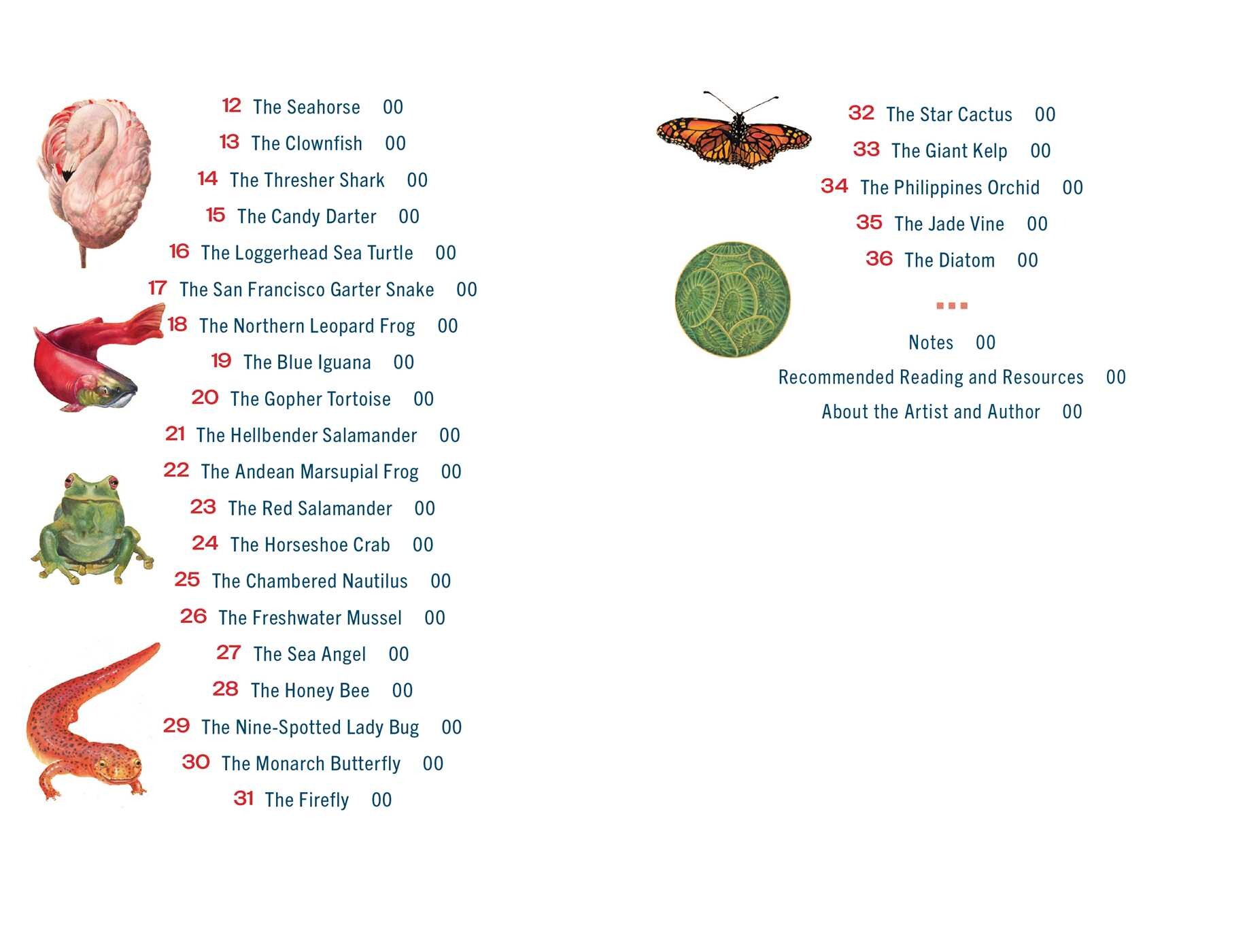
Table of Contents
About The Book
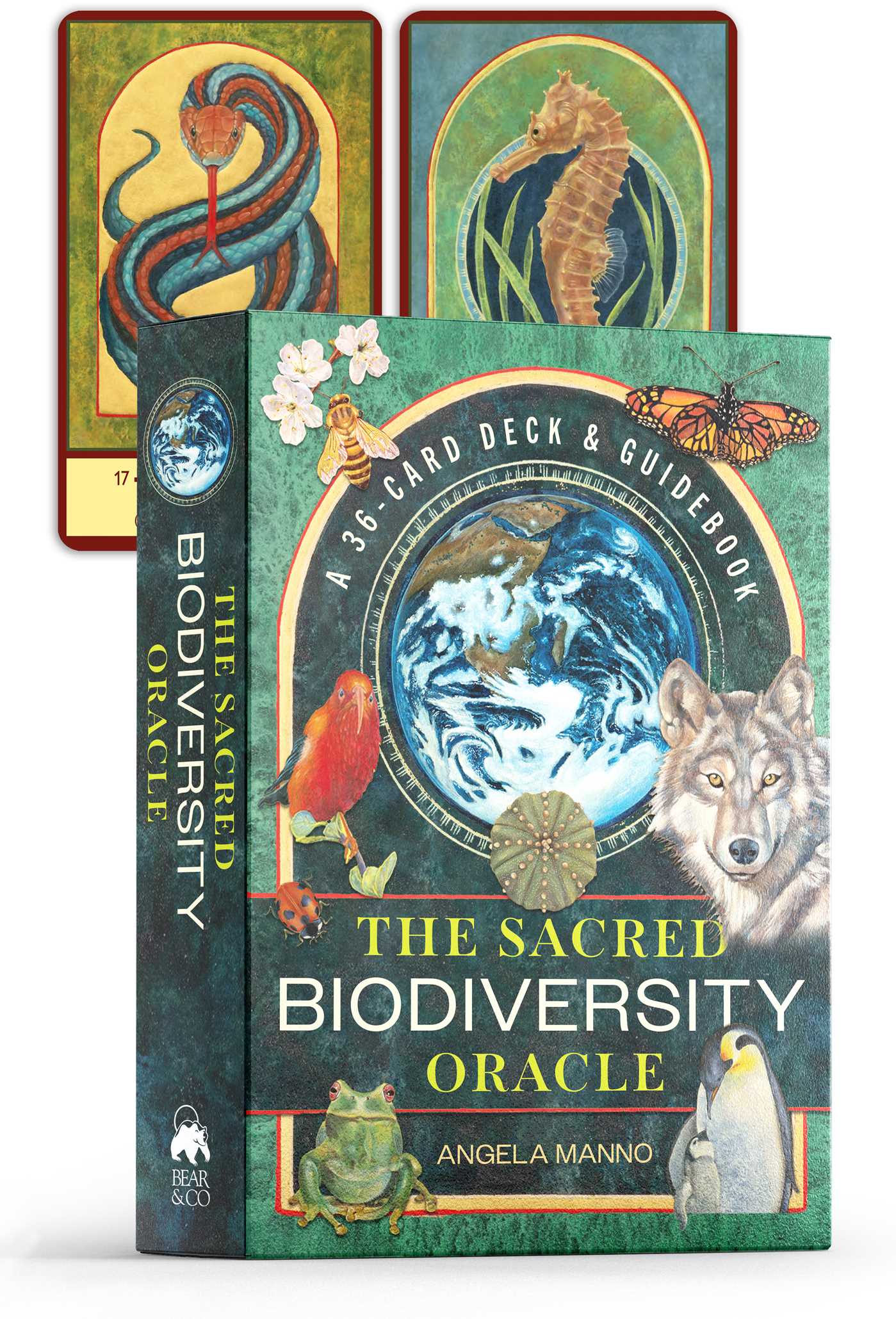
Engage intuition and reason to stimulate empathy and meaningful action for planetary healing
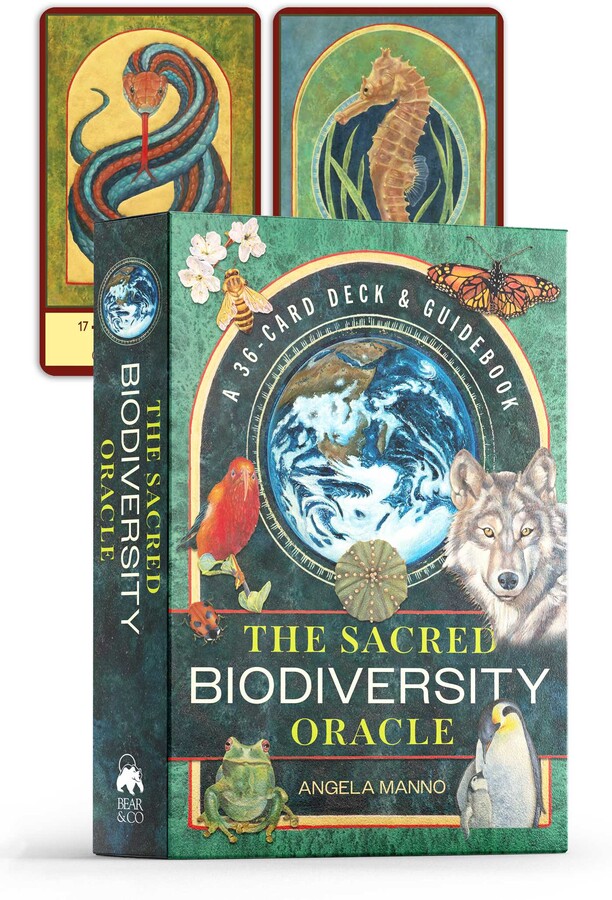
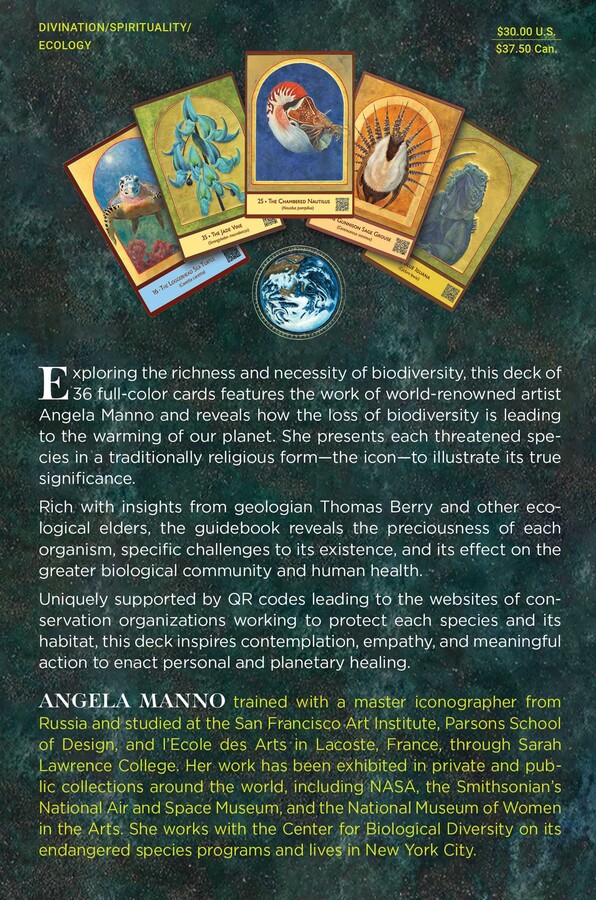
• Includes 36 full-color cards featuring sacred icon-style paintings of threatened and endangered species and instructions for using this deck in a group setting
• Portrays the unique charism of each species, the challenges it faces, and how it affects the greater biological community and human health
• Teaches Visio Divina, or sacred seeing, an ancient form of prayer and meditation that evokes intuitive knowing and inspires meaningful action
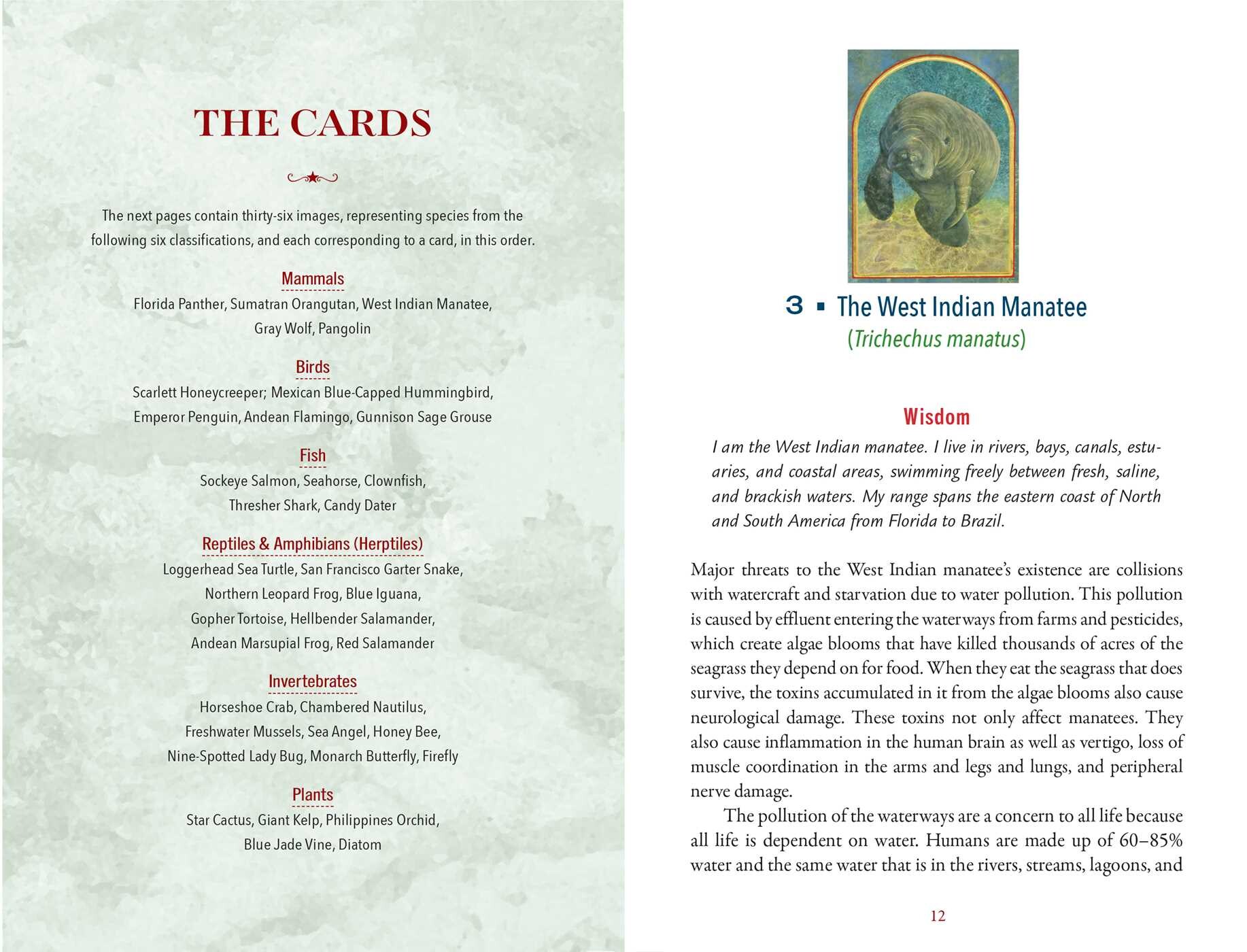
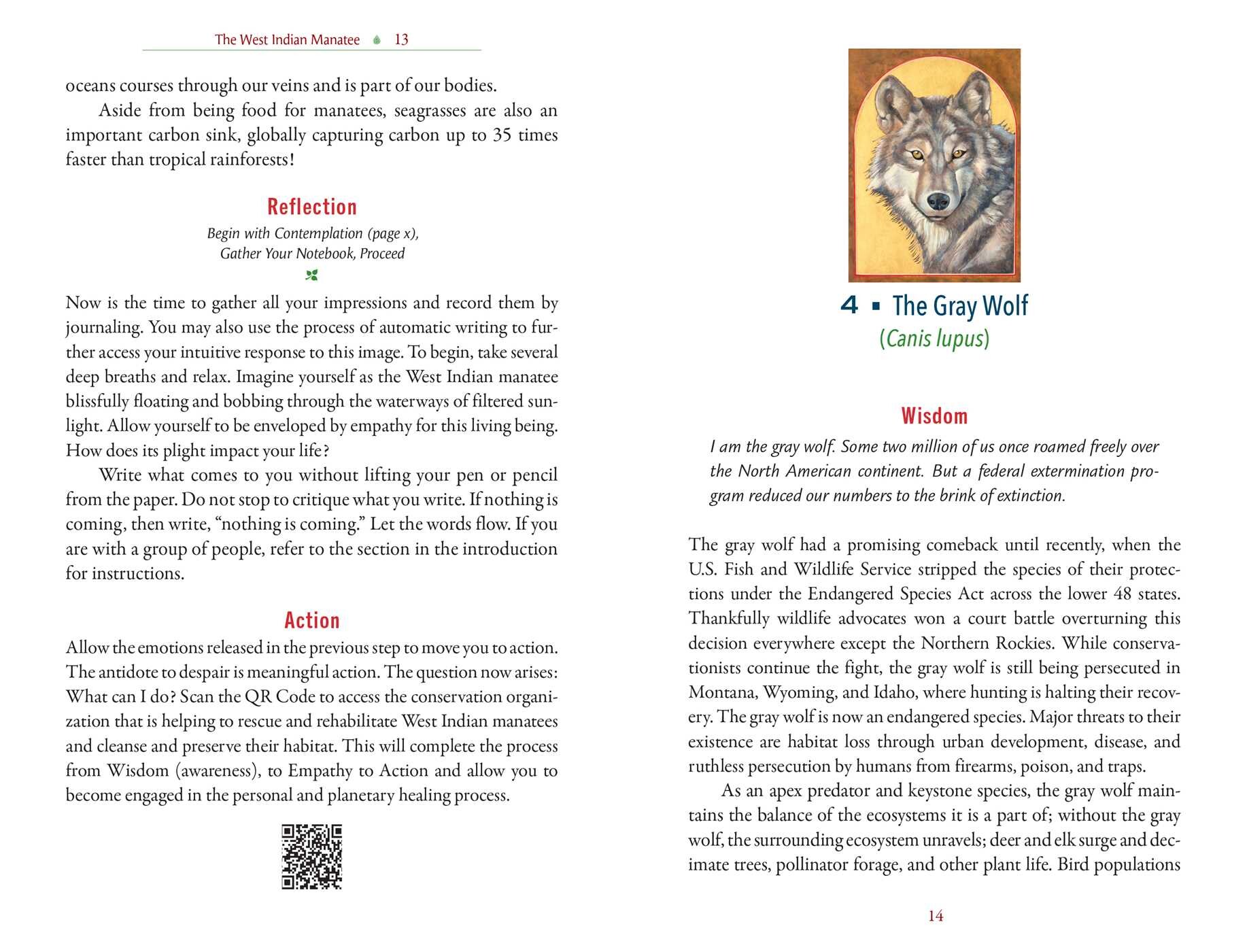
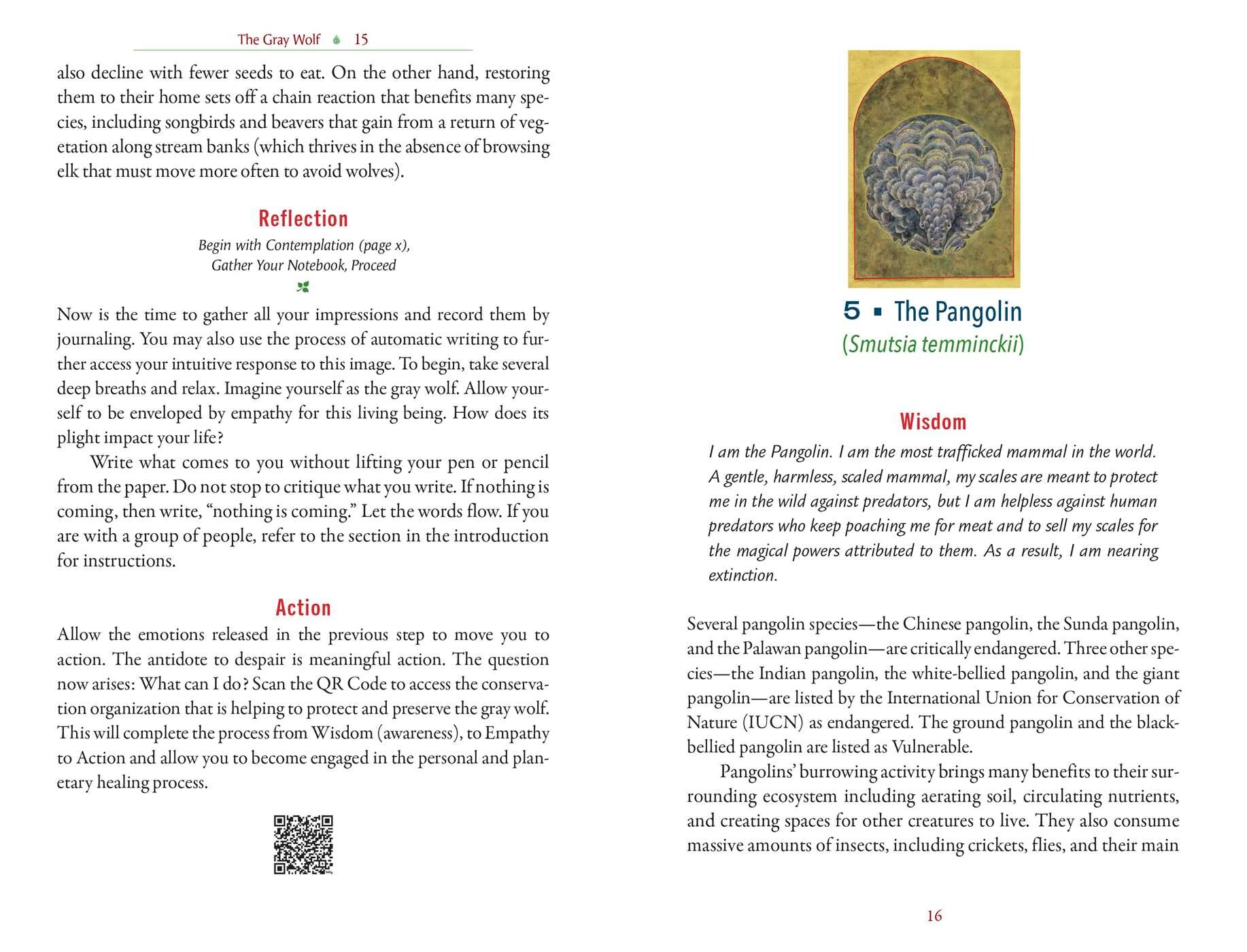
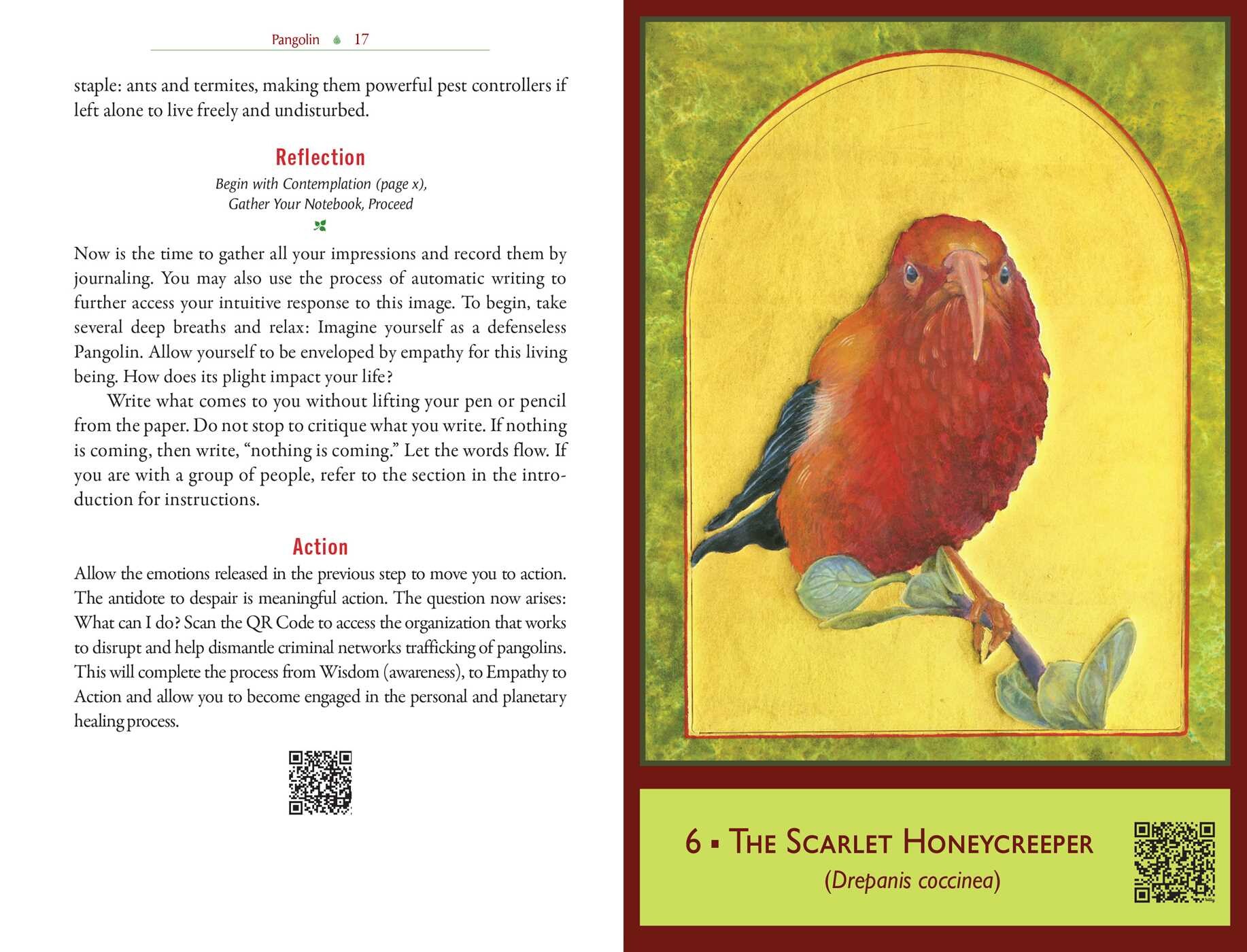
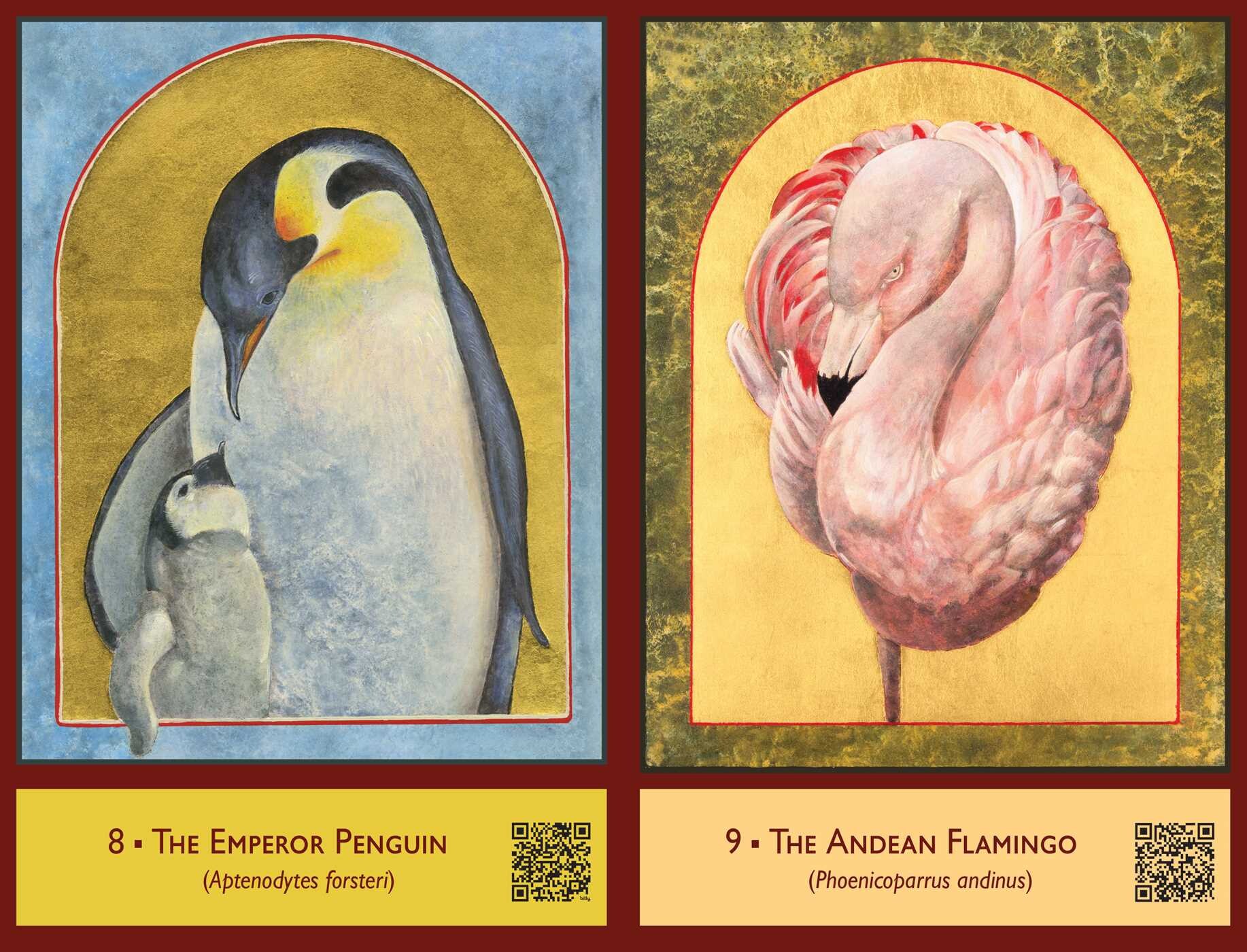
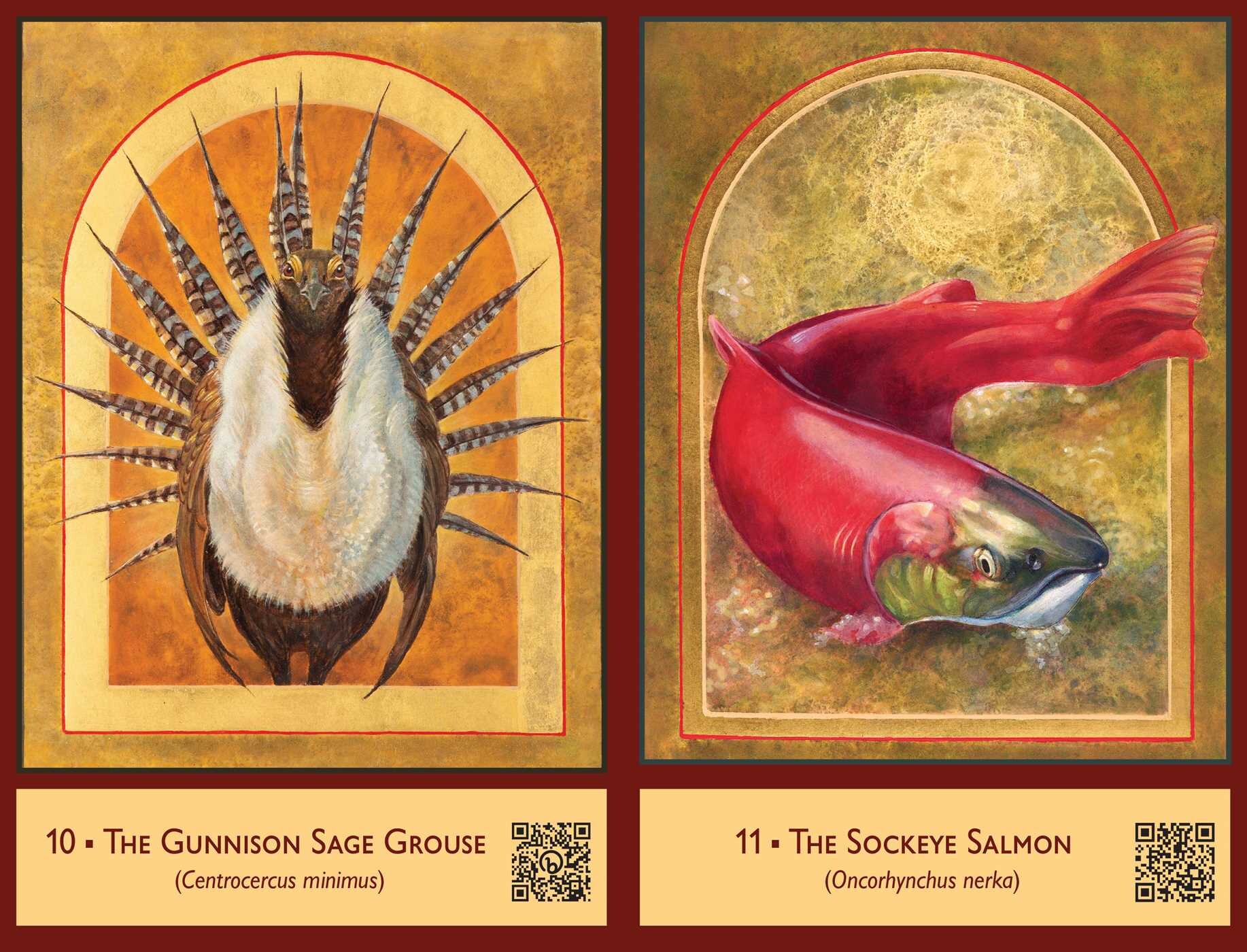
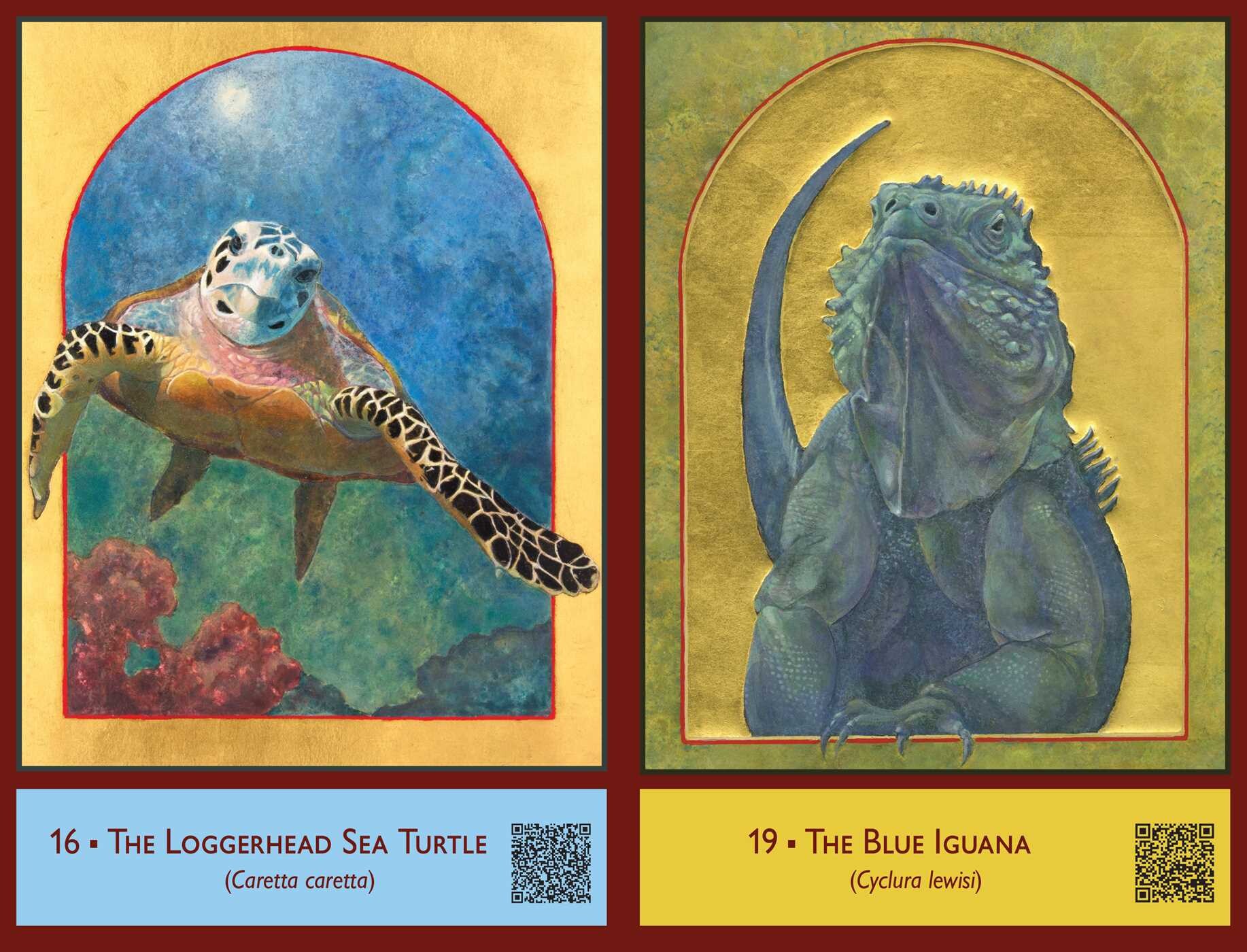
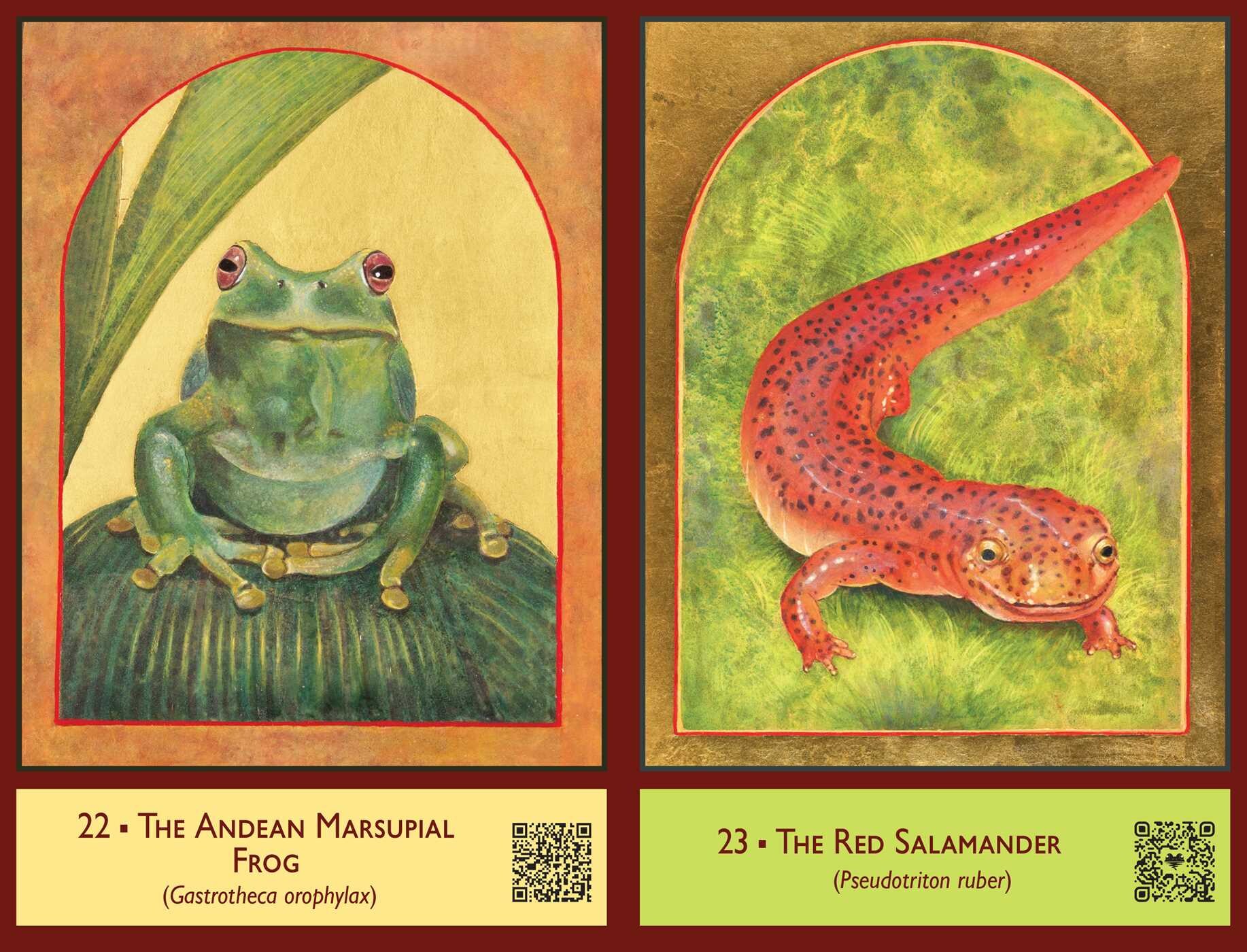
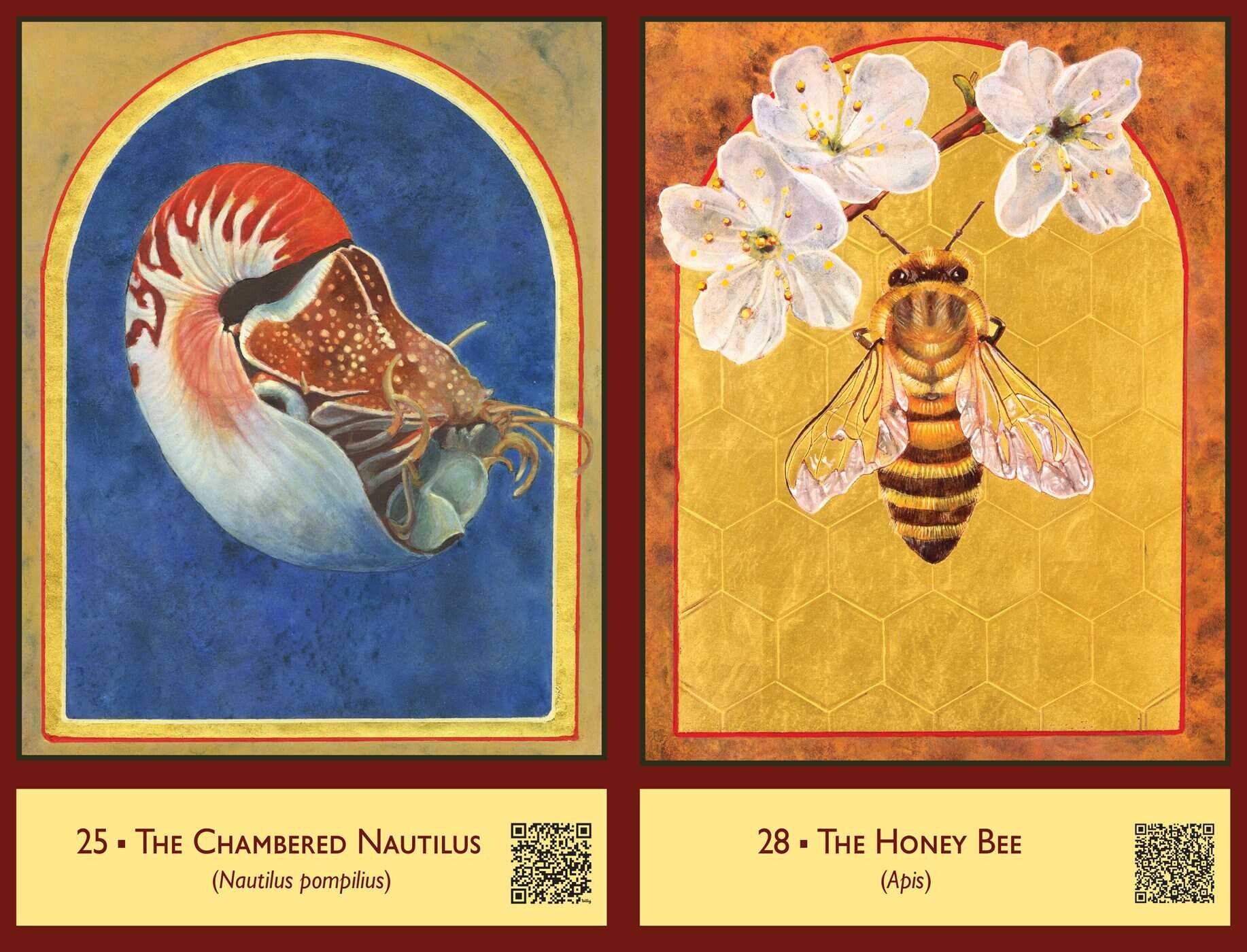
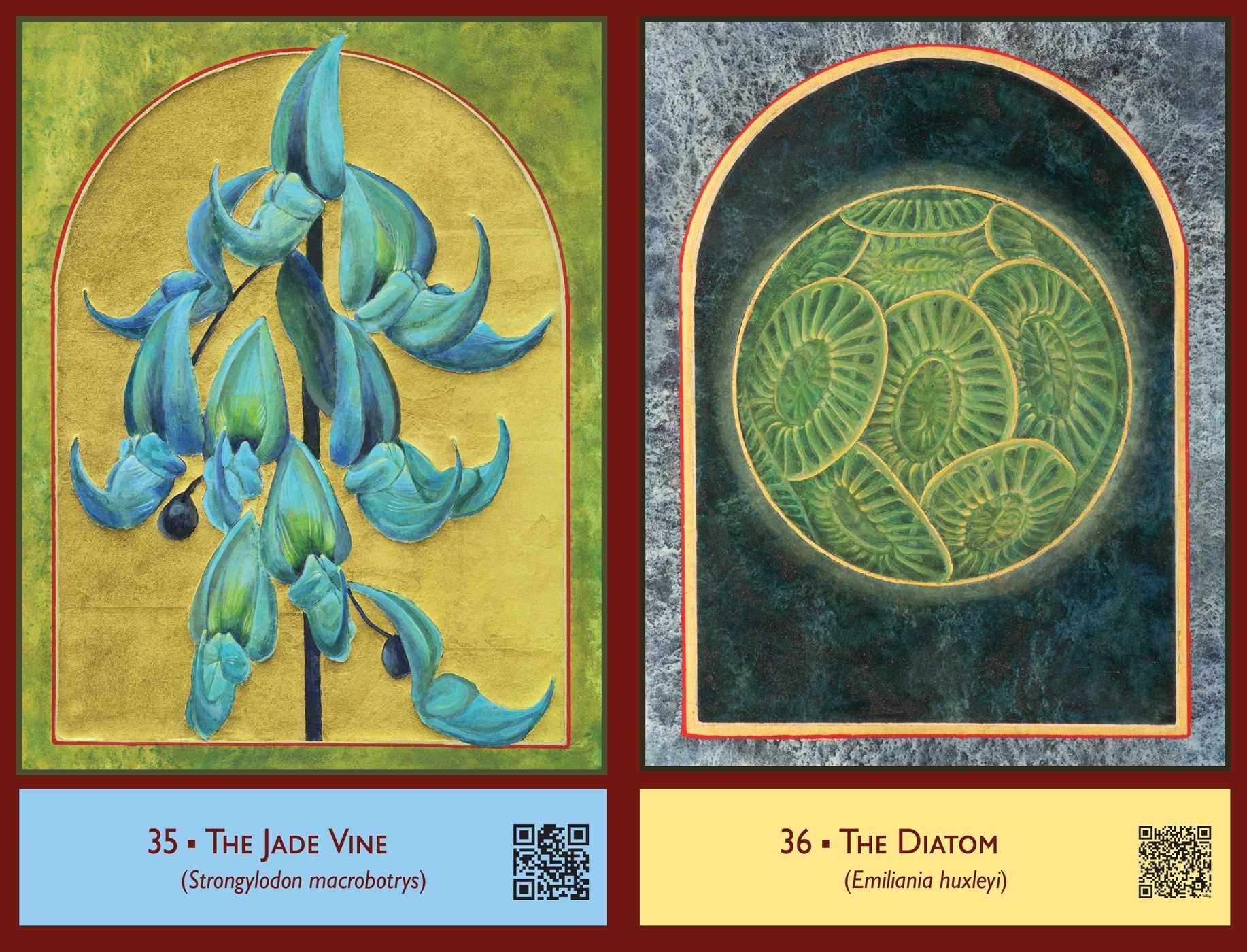
Exploring the richness and necessity of biodiversity, this deck of 36 full-color cards features the work of world-renowned artist Angela Manno and reveals how the loss of biodiversity is leading to the warming of our planet. She presents each threatened species in a traditionally religious form—the icon—to illustrate its true significance.
Rich with insights from geologian Thomas Berry and other ecological elders, the guidebook reveals the preciousness of each organism, specific challenges to its existence, and its effect on the greater biological community and human health.
Uniquely supported by QR codes leading to the websites of conservation organizations working to protect each species and its habitat, this deck inspires contemplation, empathy, and meaningful action to enact personal and planetary healing.
• Includes 36 full-color cards featuring sacred icon-style paintings of threatened and endangered species and instructions for using this deck in a group setting
• Portrays the unique charism of each species, the challenges it faces, and how it affects the greater biological community and human health
• Teaches Visio Divina, or sacred seeing, an ancient form of prayer and meditation that evokes intuitive knowing and inspires meaningful action
Exploring the richness and necessity of biodiversity, this deck of 36 full-color cards features the work of world-renowned artist Angela Manno and reveals how the loss of biodiversity is leading to the warming of our planet. She presents each threatened species in a traditionally religious form—the icon—to illustrate its true significance.
Rich with insights from geologian Thomas Berry and other ecological elders, the guidebook reveals the preciousness of each organism, specific challenges to its existence, and its effect on the greater biological community and human health.
Uniquely supported by QR codes leading to the websites of conservation organizations working to protect each species and its habitat, this deck inspires contemplation, empathy, and meaningful action to enact personal and planetary healing.
Excerpt
Instructions and Overview
Use of this book and cards is designed to inform, stimulate the emotions, evoke empathy, and move the reader to action. To begin, shuffle the deck, pull the card or cards that feel right, and refer to the species’ corresponding section in this booklet. Each of these sections includes the following four parts:
Wisdom
This is the discursive component. This first step asks us to turn our awareness to the species you have selected (or that has selected you) and begin to learn about it: its habitat, special traits, role within the larger ecosystem, how its health affects the health and well-being of the ecosystems of which it is an integral part, and its plight. Understanding another (whether the other be human or nonhuman) prepares us for the emergence of compassion and further, stimulates a desire in us to alleviate another’s suffering. In the Buddhist tradition, attention is the first stage in mindfulness meditation. As the poet Mary Oliver wrote “Attention is the beginning of devotion.” This component also reveals how the fate and condition of each species affects the health and well-being of human beings—both existentially as well as spiritually.
Contemplation
This component stimulates our intuitive sensibilities and inner knowing. Whereas in many Western practices the focus is on listening and the Word, the Eastern spiritual practices often tend to focus on gazing and the Image. This engages the right side of the brain, eliciting an experience beyond discursive knowledge. We can share imaginatively in the life of the being upon which we gaze. Through this exercise, we are sensitized and cultivate our capacity for empathy.
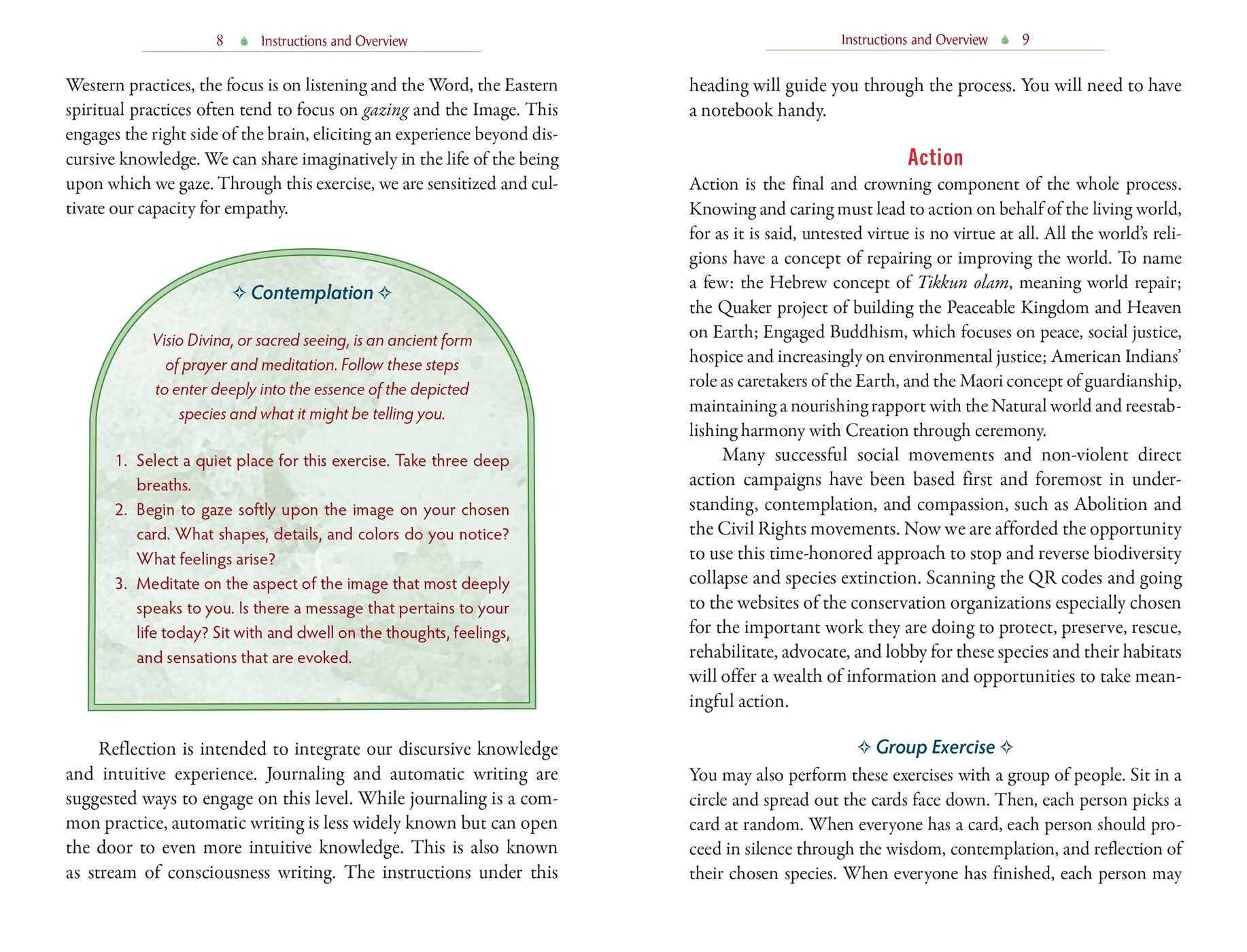
✧ Visio Divina ✧
Visio Divina, or sacred seeing, is an ancient form of
prayer and meditation. Follow these steps to enter
deeply into the essence of the depicted species and
what it might be telling you.
1. Select a quiet place for this exercise. Take three deep breaths.
2. Begin to gaze softly upon the image on your chosen card. What shapes, details, and colors do you notice? What feelings arise?
3. Meditate on the aspect of the image that most deeply speaks to you. Is there a message that pertains to your life today? Sit with and dwell on the thoughts, feelings, and sensations that are evoked.
Reflection
Reflection is intended to integrate our discursive knowledge and intuitive experience. Journaling and automatic writing are suggested ways to engage on this level. While journaling is a common practice, automatic writing is less widely known but can open the door to even more intuitive knowledge. This is also known as stream of consciousness writing. The instructions under this heading will guide you through the process. You will need to have a notebook handy.
Action
Action is the final and crowning component of the whole process. Knowing and caring must lead to action on behalf of the living world, for as it is said, untested virtue is no virtue at all. All the world’s religions have a concept of repairing or improving the world. To name a few: the Hebrew concept of tikkun olam, meaning “world repair”; the Quaker project of building the Peaceable Kingdom and Heaven on Earth; Engaged Buddhism, which focuses on peace, social justice, hospice, and increasingly on environmental justice; American Indians’ role as caretakers of the Earth; and the Maori concept of guardianship, maintaining a nourishing rapport with the Natural World and reestablishing harmony with Creation through ceremony.
Many successful social movements and non-violent direct action (NVDA) campaigns have been based first and foremost in understanding, contemplation, and compassion, such as abolition and the civil rights move-ments.* Now we are afforded the opportunity to use this time-honored approach to stop and reverse biodiversity collapse and species extinction. Scanning the QR codes and going to the websites of the conservation organizations, chosen especially for the important work they are doing to protect, preserve, rescue, rehabilitate, advocate, and lobby for these species and their habitats will offer a wealth of information and opportunities to take meaningful action. After perusing the website, decide how you will help—donate, volunteer, contact your representatives, educate, engage in non-violent direct action, and/or commit to a lifestyle change that will benefit your chosen species and the biodiversity of our planet. To keep up the momentum and help you carry out your intentions, write down your ideas. Create an action plan that includes each action step and the dates by which you will complete your chosen objectives. Further, see yourself joyfully engaged in this new role, perhaps joining with others in this worthiest of missions. Together our actions have the greatest power and potential.
✧ Group Exercise ✧
You may also perform these exercises with a group of people. Sit in a circle and spread out the cards face down. Then, each person picks a card at random. When everyone has a card, each person should proceed in silence through the Wisdom (suggested time: 2–3 minutes), Contemplation (3–5 minutes), and Reflection (8 minutes) of their chosen species. When you have finished all three exercises, raise your hand, and when everyone has done so, the group will know it’s time to move on.
When everyone has finished, each person may speak in turn out of the silence. Feel free to express whatever is rising in you. You may want to share what you have learned about the plight of the species you’ve encountered; how its predicament impacts your life; and any emotions that arise, including concern, shock, grief, alarm, love, and compassion. Remember that your responses will help stimulate and open others’ understanding, compassion, and empathy as well. As there is no moderator, consider placing a talking stick or another object in the center of the circle. When a person is ready to speak, they pick up the object, speak, and, when finished, lay it down so that the next person may take the object when they are ready. Make sure to leave enough time between each person’s sharing so others can absorb what they have heard. In this part of the process, there should be no cross talk.
This “listening spirituality” is a practice among the Religious Society of Friends (Quakers) as they listen for messages in prayer. It is also part of the practice of Dharma Sharing in the Plum Village tradition of Thich Nhat Hanh. We are not only listening to the beings we are contemplating and to our own intuition, but to the wisdom of each other as we engage in this part of the process.
Once everyone who would like to share has spoken, go back into the silence and scan the QR code on your card. Read the messages on the landing page of the corresponding website and take some notes about how you might like to help the particular animal.
When everyone has finished this last step, it might be a good time for the group to enter into conversation, to share revelations, excitement, new commitments that may be arising, resources, and to ask for or offer advice, give solace, and perhaps even enter into new partnerships.
Whether you are working alone or in a group, it is likely that this process will stimulate strong emotions. This is the intent. Emotions (from the Latin e-movere) move us to action. They prepare you for the next step, which is action.
It’s been said that Work is love in action. The “work” here is what Thomas Berry refers to as The Great Work of Our Time:
We all have our particular work. . . . But besides the particu-
lar work we do, and the particular lives we lead, we have a
Great Work that everyone is involved in and no one is ex-
empt from.
The Great Work before us is the task of moving modern
industrial civilization from its present devastating influence
on the Earth to a more benign mode of presence. It is not
a role we have chosen . . . We were chosen by some power
beyond ourselves for this historic task . . . We are, as it were,
thrown into existence with a challenge and a role that is be-
yond any personal choice. The nobility of our lives, however,
depends upon the manner in which we come to understand
and fulfill our assigned role.1
Use of this book and cards is designed to inform, stimulate the emotions, evoke empathy, and move the reader to action. To begin, shuffle the deck, pull the card or cards that feel right, and refer to the species’ corresponding section in this booklet. Each of these sections includes the following four parts:
Wisdom
This is the discursive component. This first step asks us to turn our awareness to the species you have selected (or that has selected you) and begin to learn about it: its habitat, special traits, role within the larger ecosystem, how its health affects the health and well-being of the ecosystems of which it is an integral part, and its plight. Understanding another (whether the other be human or nonhuman) prepares us for the emergence of compassion and further, stimulates a desire in us to alleviate another’s suffering. In the Buddhist tradition, attention is the first stage in mindfulness meditation. As the poet Mary Oliver wrote “Attention is the beginning of devotion.” This component also reveals how the fate and condition of each species affects the health and well-being of human beings—both existentially as well as spiritually.
Contemplation
This component stimulates our intuitive sensibilities and inner knowing. Whereas in many Western practices the focus is on listening and the Word, the Eastern spiritual practices often tend to focus on gazing and the Image. This engages the right side of the brain, eliciting an experience beyond discursive knowledge. We can share imaginatively in the life of the being upon which we gaze. Through this exercise, we are sensitized and cultivate our capacity for empathy.
✧ Visio Divina ✧
Visio Divina, or sacred seeing, is an ancient form of
prayer and meditation. Follow these steps to enter
deeply into the essence of the depicted species and
what it might be telling you.
1. Select a quiet place for this exercise. Take three deep breaths.
2. Begin to gaze softly upon the image on your chosen card. What shapes, details, and colors do you notice? What feelings arise?
3. Meditate on the aspect of the image that most deeply speaks to you. Is there a message that pertains to your life today? Sit with and dwell on the thoughts, feelings, and sensations that are evoked.
Reflection
Reflection is intended to integrate our discursive knowledge and intuitive experience. Journaling and automatic writing are suggested ways to engage on this level. While journaling is a common practice, automatic writing is less widely known but can open the door to even more intuitive knowledge. This is also known as stream of consciousness writing. The instructions under this heading will guide you through the process. You will need to have a notebook handy.
Action
Action is the final and crowning component of the whole process. Knowing and caring must lead to action on behalf of the living world, for as it is said, untested virtue is no virtue at all. All the world’s religions have a concept of repairing or improving the world. To name a few: the Hebrew concept of tikkun olam, meaning “world repair”; the Quaker project of building the Peaceable Kingdom and Heaven on Earth; Engaged Buddhism, which focuses on peace, social justice, hospice, and increasingly on environmental justice; American Indians’ role as caretakers of the Earth; and the Maori concept of guardianship, maintaining a nourishing rapport with the Natural World and reestablishing harmony with Creation through ceremony.
Many successful social movements and non-violent direct action (NVDA) campaigns have been based first and foremost in understanding, contemplation, and compassion, such as abolition and the civil rights move-ments.* Now we are afforded the opportunity to use this time-honored approach to stop and reverse biodiversity collapse and species extinction. Scanning the QR codes and going to the websites of the conservation organizations, chosen especially for the important work they are doing to protect, preserve, rescue, rehabilitate, advocate, and lobby for these species and their habitats will offer a wealth of information and opportunities to take meaningful action. After perusing the website, decide how you will help—donate, volunteer, contact your representatives, educate, engage in non-violent direct action, and/or commit to a lifestyle change that will benefit your chosen species and the biodiversity of our planet. To keep up the momentum and help you carry out your intentions, write down your ideas. Create an action plan that includes each action step and the dates by which you will complete your chosen objectives. Further, see yourself joyfully engaged in this new role, perhaps joining with others in this worthiest of missions. Together our actions have the greatest power and potential.
✧ Group Exercise ✧
You may also perform these exercises with a group of people. Sit in a circle and spread out the cards face down. Then, each person picks a card at random. When everyone has a card, each person should proceed in silence through the Wisdom (suggested time: 2–3 minutes), Contemplation (3–5 minutes), and Reflection (8 minutes) of their chosen species. When you have finished all three exercises, raise your hand, and when everyone has done so, the group will know it’s time to move on.
When everyone has finished, each person may speak in turn out of the silence. Feel free to express whatever is rising in you. You may want to share what you have learned about the plight of the species you’ve encountered; how its predicament impacts your life; and any emotions that arise, including concern, shock, grief, alarm, love, and compassion. Remember that your responses will help stimulate and open others’ understanding, compassion, and empathy as well. As there is no moderator, consider placing a talking stick or another object in the center of the circle. When a person is ready to speak, they pick up the object, speak, and, when finished, lay it down so that the next person may take the object when they are ready. Make sure to leave enough time between each person’s sharing so others can absorb what they have heard. In this part of the process, there should be no cross talk.
This “listening spirituality” is a practice among the Religious Society of Friends (Quakers) as they listen for messages in prayer. It is also part of the practice of Dharma Sharing in the Plum Village tradition of Thich Nhat Hanh. We are not only listening to the beings we are contemplating and to our own intuition, but to the wisdom of each other as we engage in this part of the process.
Once everyone who would like to share has spoken, go back into the silence and scan the QR code on your card. Read the messages on the landing page of the corresponding website and take some notes about how you might like to help the particular animal.
When everyone has finished this last step, it might be a good time for the group to enter into conversation, to share revelations, excitement, new commitments that may be arising, resources, and to ask for or offer advice, give solace, and perhaps even enter into new partnerships.
Whether you are working alone or in a group, it is likely that this process will stimulate strong emotions. This is the intent. Emotions (from the Latin e-movere) move us to action. They prepare you for the next step, which is action.
It’s been said that Work is love in action. The “work” here is what Thomas Berry refers to as The Great Work of Our Time:
We all have our particular work. . . . But besides the particu-
lar work we do, and the particular lives we lead, we have a
Great Work that everyone is involved in and no one is ex-
empt from.
The Great Work before us is the task of moving modern
industrial civilization from its present devastating influence
on the Earth to a more benign mode of presence. It is not
a role we have chosen . . . We were chosen by some power
beyond ourselves for this historic task . . . We are, as it were,
thrown into existence with a challenge and a role that is be-
yond any personal choice. The nobility of our lives, however,
depends upon the manner in which we come to understand
and fulfill our assigned role.1
Product Details
- Publisher: Bear & Company (January 6, 2026)
- Length: 160 pages
- ISBN13: 9781591435037
Raves and Reviews
“These magnificent images—particularly the remarkable icons of endangered species—help us look at what we're doing to the world in a new frame. Which is exactly what we need art to be doing right now.”
– Bill McKibben, climate activist, Schumann Distinguished Scholar, Middlebury College
“In her remarkable animal portraits, Angela Manno has found a way to combine exactitude with meaning in the faces of her subjects, no less than if they were in Nature’s studio looking out to the friendly observer.”
– Edward O. Wilson, eminent conservation biologist, Research Professor Emeritus, Harvard University, a
“Angela Manno's recovery of the classical mystical tradition through icon painting combined with themes of ecology and the cosmos is a profoundly creative and spiritual interpretation of our present situation. Her images of the Earth from space encompass the present and project us into the future.”
– Ewert Cousins, world-renowned theologian and pioneer in inter-religious dialogue
“I was almost struck speechless by the beauty of Angela Manno's icons of endangered species. What she has done is remarkable. Presenting these exquisite beings in their rightful dignity gives a spiritual power to the contemplation of their fate.”
– Joanna Macy, author A Wild Love for the World
“’Everything that lives is holy,’ said the poet William Blake. But it can take a lifetime to feel, understand, and explore the profound depth of that realization. Fortunately, Angela Manno is willing to meet us on the trail or help us start that journey. These cards are deeply spiritual, just a touch mystical, and yet grounded in a factual scientific understanding of the sacred miracle of life on this living world.”
– Carl Safina, PhD, ecologist and author of Beyond Words and more
“Angela Manno has created a visual chorus to the magnificent species with whom we share this planet. Her icons sing of the intelligence and complexity of these creatures. May this awaken us to a new hymn of praise and protection for the Living Earth Community.”
– Mary Evelyn Tucker, coauthor of the Journey of the Universe film and book
“Looking at these beautiful cards that remind us of the sacred beings we share the earth with, one is moved to sadness and grief on the one hand, but hopefully to action on the other, to slow down the holocaust of creatures now taking place on Earth... This moving book wakes us to the future of beauty — or its absence — on our ailing Earth. Are we watching and listening? Do we still have the eyes and heart to respond? What price can be put on the loss of the sacred?.”
– Rev. Dr. Matthew Fox
“Angela Manno's brilliant artworks confront the tragedy of the Anthropocene and provide humankind with a contemplative tool. Her iconography responds to the spiritual wound of mass extinction by returning vulnerable plants and animals to where they rightfully belong as beings we must protect and venerate as teachers, neighbors and kin.”
– Kierán Suckling, Executive Director, Center for Biological Diversity
“Angela Manno's wonderful Sacred Biodiversity Oracle is a luminous bridge between reverence and action: icon-like portraits that let each being look back at us until kinship wakes. The guidebook’s sacred seeing turns information into relationship, then into vows. Importantly, each card in the deck includes QR codes that link to conservation organizations actively protecting the featured species, facilitating the shift from awareness to concerted environmental action.”
– John Seed, deep ecologist
“Sacred Biodiversity Oracle upholds one of Dr. Jane Goodall's strongest beliefs: Every species has a role to play, and every species is essential in the great tapestry of life. Angela Manno uses her masterful artistry to uplift so many essential species, from the charismatic to the quirky, and let their true beauty shine.”
– Anna Rathmann, Executive Director, Jane Goodall Institute USA
Resources and Downloads
High Resolution Images
-
Book Cover Image (jpg): The Sacred Biodiversity Oracle
Cards 9781591435037