Get our latest book recommendations, author news, and competitions right to your inbox.
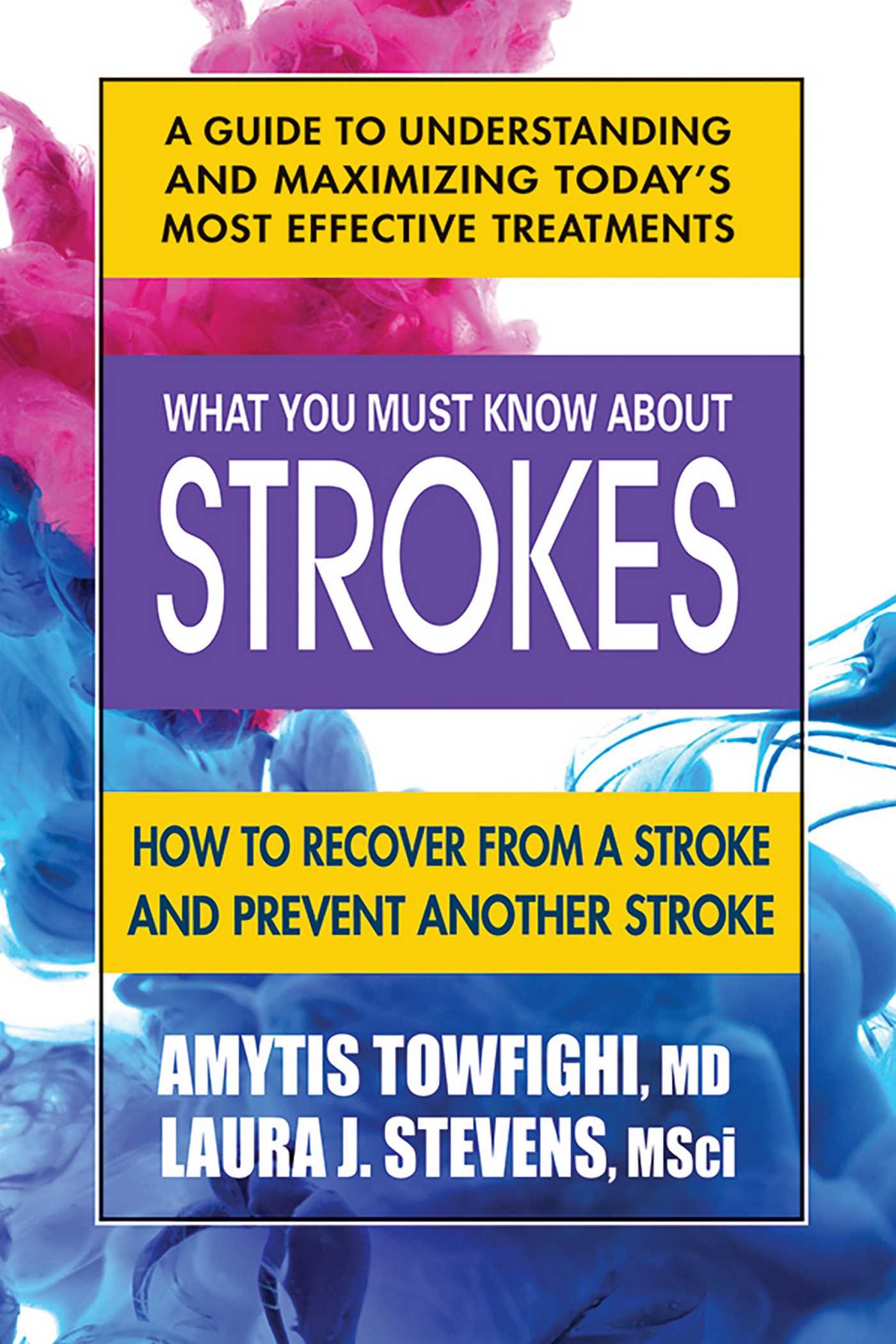
What You Must Know About Strokes
Published by Square One
Distributed by Simon & Schuster
Table of Contents
About The Book
No one is ever prepared for a stroke. It just happens, and when it does, the results can be life altering. From difficulties with communication to weakness, numbness, and cognitive difficulties, a stroke can have a wide range of consequences. For most people affected by a stroke, a flood of questions come afterward: How did this happen? What do we do next? What are our options? How long will recovery take? Am I at risk for another stroke? To answer these questions and so many others, stroke specialist Dr. Amytis Towfighi and best-selling health writer and stroke survivor Laura Stevens have written What You Must Know About Strokes. Written in plain English, this useful guide offers all the information stroke survivors and their loved ones need to know in order to ask the right questions and make informed decisions.
The book is divided into four parts. Part 1 explains what a stroke is and which risk factors increase the odds of having a stroke. It also includes information on identifying the early signs of a stroke and what to do when they appear. Part 2 looks at the immediate care given to stroke survivors as they are brought into a hospital setting. Part 3 details the most common rehabilitation treatments given to stroke patients to help them regain their ability to carry out their daily activities, mobility, speech, and cognition. These include occupational, physical, and speech therapies. It also discusses a number of complementary and alternative treatments that may be helpful. Part 4 offers important suggestions on lifestyle and nutrition to help patients avoid another stroke. Part 5 provides a look at life after a stroke and the issues stroke survivors may face. It offers practical and easy-to-follow advice on moving forward. The book also offers a section of resources, listing services and agencies that provide answers and assistance to stroke patients and their families.
The many challenges of dealing with a stroke are great—for patients as well as their loved ones. The road back is not always easy. Understanding what is happening and what treatment options are available is crucial. The information contained in this book can greatly benefit anyone dealing with the aftermath of a stroke and make all the difference in the world.
The book is divided into four parts. Part 1 explains what a stroke is and which risk factors increase the odds of having a stroke. It also includes information on identifying the early signs of a stroke and what to do when they appear. Part 2 looks at the immediate care given to stroke survivors as they are brought into a hospital setting. Part 3 details the most common rehabilitation treatments given to stroke patients to help them regain their ability to carry out their daily activities, mobility, speech, and cognition. These include occupational, physical, and speech therapies. It also discusses a number of complementary and alternative treatments that may be helpful. Part 4 offers important suggestions on lifestyle and nutrition to help patients avoid another stroke. Part 5 provides a look at life after a stroke and the issues stroke survivors may face. It offers practical and easy-to-follow advice on moving forward. The book also offers a section of resources, listing services and agencies that provide answers and assistance to stroke patients and their families.
The many challenges of dealing with a stroke are great—for patients as well as their loved ones. The road back is not always easy. Understanding what is happening and what treatment options are available is crucial. The information contained in this book can greatly benefit anyone dealing with the aftermath of a stroke and make all the difference in the world.
Excerpt
Introduction
A stroke changes the lives of many people: the stroke survivor, his family members, and his friends. The first goal of this book is to help you understand what a stroke is. The second goal is to explain why strokes occur and how to reduce or eliminate their risk factors. The third goal is to help stroke patients recover from their strokes as much as possible. The final goal is to support caregivers, whether they are spouses, siblings, grown children, or dear friends.
Written by neurologist and stroke expert Amy Towfighi, MD, and stroke survivor Laura Stevens, MS, What You Must Know About Strokes explains what happens during a stroke, how a stroke is treated in the hospital, the various aspects of the rehabilitation process, the difficulties stroke patients may encounter in returning home and how to address them, and how to prevention a second stroke.
Part I is defines the event, describes the different types of strokes, and details the many effects they can cause. It also talks about the critically important warning signs of a stroke, which can help you safe a stranger’s life, a loved one’s, or your own. It also discusses neuroplasticity—the amazing ability of the brain to form new networks (“wiring”) to meet new needs, which is especially helpful after a stroke. Part I goes on to discuss the risk factors of stroke—high blood pressure, smoking, diabetes, poor diet, alcohol consumption, inactivity, and obesity. In fact, high blood pressure accounts for over half of all strokes. It is critical to understand these risk factors so you can help yourself or your loved ones decrease these risks and prevent a second stroke or avoid a first one altogether.
Part II explains what happens after a stroke patient reaches the hospital, how stressful this experience can be for both the patient and his loved ones, and vital it is to get excellent care. By the time you read this book, this hospital period will likely be behind you or your loved one, but we are presenting this material to make the book complete for all readers. Part II discusses in-patient and out-patient rehabilitation—what to expect in therapy, the different forms of therapy, and the types of therapists and their training. Depending upon a stroke survivor’s needs, he may receive occupational, physical, speech, vision, or other therapies. Part II also touches upon complementary therapies that have not been studied as much as standard therapies but about which you may have questions—for example, massage, music therapy, and acupuncture. It describes each therapy, details any research behind it, and gives our pertinent recommendations.
Part III is meant to help stroke survivors avoid having another stroke. Many patients who experience a first stroke will have another stroke if they don’t work on their risk factors. Part III can help stroke survivors greatly reduce their risks of having second stroke. For example, for a stroke patient who has high blood pressure—a critical risk factor for many stroke survivors—this part discusses ways in which he may bring it down, including medication, dietary changes, and exercise. In fact, because diet is critical in reducing stroke risk, we have devoted four chapters to this topic. Chapter 10 talks about protective nutrients, including certain vitamins, minerals, essential fatty acids, and antioxidants that will heal and protect the brain and blood vessels. Chapter 11 concentrates on foods and food components to limit or avoid completely, such as red meat, processed meat, saturated fat, transfat, sodium, alcohol, sugar, and artificial sweeteners.
Chapter 12 discusses recommended foods that can help prevent strokes,such as whole grains, fruit, vegetables, lean protein (less beef protein, more chicken, fish, or plant protein), nuts, dairy and alternatives, and so on. It is not easy for a person to change his diet, but this book makes it easier, recommending healthy, delicious foods that will lead to better health. Chapter 13 offers menus for tasty daily meals and snacks, giving you an example of one week of menus and snack suggestions. It also explains how to choose healthy foods when dining out, and discusses assisted living and how to achieve a heart-and brain-healthy diet in this environment.
Part IV deals with stroke effects you cannot see, such as fatigue, depression, anxiety, pain, and sleep problems. Many stroke survivors have these problems, but there are ways to improve mood and lift depression, and this part of the book can show you how. Finally, Part V offers lots of practical advice about safety, addressing a stroke survivor’s need for a safety-proofed home that has been organized it so it functions well for his new needs. It also talks about a stroke survivor’s need to maintain a routine after he leaves the hospital that includes getting all his meds on time, preparing healthy meals and snacks, going to outpatient rehab, and keeping appointments with his healthcare provider.
Stroke patients have the ability to make improvements in recovery and avoid another stroke by going to all therapy sessions, doing appropriate exercises at home, choosing a healthy diet, taking appropriate medications, and seeing their doctors for all scheduled appointments. Rome wasn’t built in a day, but this bookcan help stroke survivors lead better, healthier, and happier lives.
A stroke changes the lives of many people: the stroke survivor, his family members, and his friends. The first goal of this book is to help you understand what a stroke is. The second goal is to explain why strokes occur and how to reduce or eliminate their risk factors. The third goal is to help stroke patients recover from their strokes as much as possible. The final goal is to support caregivers, whether they are spouses, siblings, grown children, or dear friends.
Written by neurologist and stroke expert Amy Towfighi, MD, and stroke survivor Laura Stevens, MS, What You Must Know About Strokes explains what happens during a stroke, how a stroke is treated in the hospital, the various aspects of the rehabilitation process, the difficulties stroke patients may encounter in returning home and how to address them, and how to prevention a second stroke.
Part I is defines the event, describes the different types of strokes, and details the many effects they can cause. It also talks about the critically important warning signs of a stroke, which can help you safe a stranger’s life, a loved one’s, or your own. It also discusses neuroplasticity—the amazing ability of the brain to form new networks (“wiring”) to meet new needs, which is especially helpful after a stroke. Part I goes on to discuss the risk factors of stroke—high blood pressure, smoking, diabetes, poor diet, alcohol consumption, inactivity, and obesity. In fact, high blood pressure accounts for over half of all strokes. It is critical to understand these risk factors so you can help yourself or your loved ones decrease these risks and prevent a second stroke or avoid a first one altogether.
Part II explains what happens after a stroke patient reaches the hospital, how stressful this experience can be for both the patient and his loved ones, and vital it is to get excellent care. By the time you read this book, this hospital period will likely be behind you or your loved one, but we are presenting this material to make the book complete for all readers. Part II discusses in-patient and out-patient rehabilitation—what to expect in therapy, the different forms of therapy, and the types of therapists and their training. Depending upon a stroke survivor’s needs, he may receive occupational, physical, speech, vision, or other therapies. Part II also touches upon complementary therapies that have not been studied as much as standard therapies but about which you may have questions—for example, massage, music therapy, and acupuncture. It describes each therapy, details any research behind it, and gives our pertinent recommendations.
Part III is meant to help stroke survivors avoid having another stroke. Many patients who experience a first stroke will have another stroke if they don’t work on their risk factors. Part III can help stroke survivors greatly reduce their risks of having second stroke. For example, for a stroke patient who has high blood pressure—a critical risk factor for many stroke survivors—this part discusses ways in which he may bring it down, including medication, dietary changes, and exercise. In fact, because diet is critical in reducing stroke risk, we have devoted four chapters to this topic. Chapter 10 talks about protective nutrients, including certain vitamins, minerals, essential fatty acids, and antioxidants that will heal and protect the brain and blood vessels. Chapter 11 concentrates on foods and food components to limit or avoid completely, such as red meat, processed meat, saturated fat, transfat, sodium, alcohol, sugar, and artificial sweeteners.
Chapter 12 discusses recommended foods that can help prevent strokes,such as whole grains, fruit, vegetables, lean protein (less beef protein, more chicken, fish, or plant protein), nuts, dairy and alternatives, and so on. It is not easy for a person to change his diet, but this book makes it easier, recommending healthy, delicious foods that will lead to better health. Chapter 13 offers menus for tasty daily meals and snacks, giving you an example of one week of menus and snack suggestions. It also explains how to choose healthy foods when dining out, and discusses assisted living and how to achieve a heart-and brain-healthy diet in this environment.
Part IV deals with stroke effects you cannot see, such as fatigue, depression, anxiety, pain, and sleep problems. Many stroke survivors have these problems, but there are ways to improve mood and lift depression, and this part of the book can show you how. Finally, Part V offers lots of practical advice about safety, addressing a stroke survivor’s need for a safety-proofed home that has been organized it so it functions well for his new needs. It also talks about a stroke survivor’s need to maintain a routine after he leaves the hospital that includes getting all his meds on time, preparing healthy meals and snacks, going to outpatient rehab, and keeping appointments with his healthcare provider.
Stroke patients have the ability to make improvements in recovery and avoid another stroke by going to all therapy sessions, doing appropriate exercises at home, choosing a healthy diet, taking appropriate medications, and seeing their doctors for all scheduled appointments. Rome wasn’t built in a day, but this bookcan help stroke survivors lead better, healthier, and happier lives.
Product Details
- Publisher: Square One (July 31, 2020)
- Length: 320 pages
- ISBN13: 9780757054839
Raves and Reviews
"Provid[es] a much needed manual to inform the general public about cerebrovascular accidents (a.k.a., stroke) . . . the information presented is well-considered and is derived from the experience of these two gifted authors [stroke specialist Amytis Towfighi, MD and co-author / stroke survivor Laura Stevens] - valuable information delivered in language that is accessible to everyone. This is a very helpful resource, a book that should become part of every family's library."
– Grady Harp, top book reviewer
"Taking advantage of their distinct areas of expertise, [authors] Towfighi and Stevens deliver a clear and thorough guide that should be a solid one-stop resource for patients and their support circle."
– Richard Maxwell, Porter Adventist Hosp. Lib., Denver, Library Journal
"Given the extensive consequences of strokes in the population, this book serves an extremely valuable purpose . . . [offers] a great deal of prevention information . . . [includes] excellent material on what can and should be done in caring for a stroke victim."
– Charles Ashbacher, top book reviewer
"Impressively informative, comprehensive, and specifically written to benefit the non-specialist general reader with an interest in the subject, What You Must Know About Strokes is especially recommended for community library Health/Medicine collections and the personal reading lists of anyone who has to deal with stroke and its aftermath."
– Midwest Book Review (MBR)
"Packed with information, this is a must-read for anyone with questions about strokes."
– Publishers Weekly
Resources and Downloads
High Resolution Images
-
Book Cover Image (jpg): What You Must Know About Strokes
eBook 9780757054839